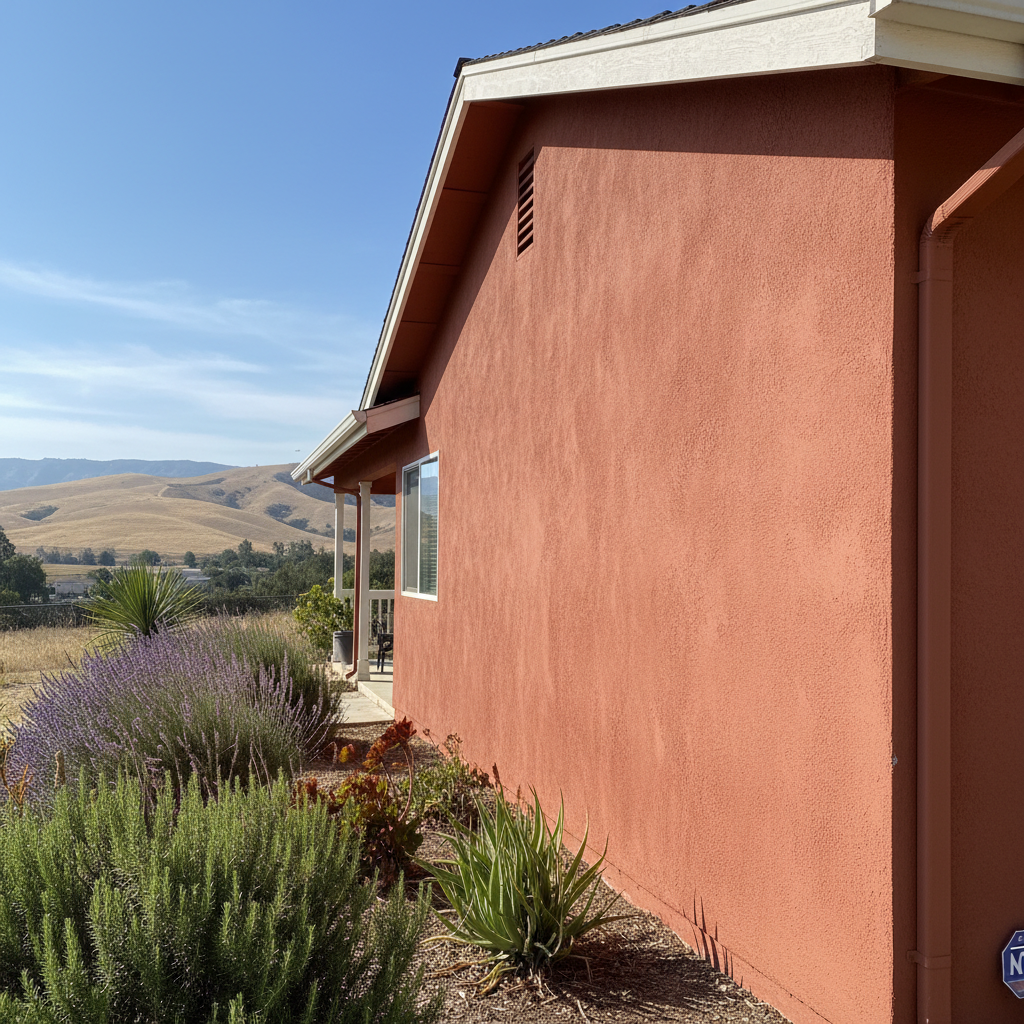
So, you’ve put in the work, or maybe you’ve had us at Top Line Stucco Salinas come out and give your place a fresh redash. Looks good, right? That new coat of stucco isn’t just about curb appeal; it’s a tough, durable layer protecting your home. But ‘durable’ doesn’t mean ‘bulletproof’ or ‘set-it-and-forget-it.’ You gotta give it a little love to make sure it lasts as long as it should.
Extending the Life of Your Redashed Stucco
The best way to make your redash last is pretty simple: keep water out. Stucco, especially here in Salinas where we get that marine layer and occasional heavy winter rains, is designed to shed water. But if water gets behind it and stays there, you’re asking for trouble. It can lead to cracks, delamination, and all sorts of headaches.
First off, make sure your gutters are clean and working right. Water pouring off the roof directly onto your walls is a no-go. We see this all the time, especially on older homes in places like the Creekbridge area where trees are mature and drop a lot of leaves. Keep those downspouts clear and directed away from the foundation.
Next, think about landscaping. Trees and shrubs are beautiful, but if they’re constantly touching your stucco, they can hold moisture against the wall. They can also scratch the surface, creating tiny entry points for water. Keep them trimmed back a good six inches to a foot away from the wall. And don't let sprinklers hit the stucco directly. That constant spray can erode the finish over time and introduce moisture where you don't want it.
Finally, consider a good quality elastomeric paint or sealer. Not all stucco needs it, especially if it’s a new, well-applied redash with a good integral color. But if you’re looking for an extra layer of protection, especially against our foggy mornings and the occasional intense sun, a breathable, elastomeric coating can really help. It adds a flexible, waterproof barrier while still allowing the wall to breathe.
Regular Maintenance: What You Need To Do
Maintaining your redashed stucco isn't rocket science, but it does require a little attention. You don't need to be out there every day, but a seasonal check-up is a smart move.
- Clean it gently: Dirt, dust, and even mildew can build up, especially on the north-facing walls that don't get as much sun. Use a garden hose with a gentle spray to rinse it down. For tougher spots, a soft brush and a mild detergent (like dish soap and water) usually do the trick. Don't use a high-pressure washer unless you know exactly what you're doing and keep it at a very low setting and distance. Too much pressure can damage the stucco surface and force water into places it shouldn't be.
- Check your caulking: Look around windows, doors, and any penetrations like pipes or electrical conduits. The caulk around these areas is your first line of defense against water intrusion. If it’s cracked, shrunken, or pulling away, it needs to be replaced. This is a common failure point and an easy fix if you catch it early.
- Inspect for cracks: Small hairline cracks are pretty normal with stucco; it’s a rigid material and houses settle. But keep an eye out for anything larger than a credit card's thickness or cracks that are growing. We'll talk more about what to look for there.
Warning Signs of Stucco Problems
Your stucco will usually tell you when something's not right. You just need to know what to listen for, or rather, what to look for.
- Cracks: As I said, hairline cracks are often just cosmetic. But if you see cracks that are wider, or if they run in a spiderweb pattern, or if they appear around openings like windows and doors, that's a red flag. Vertical cracks often mean settling, while horizontal cracks can indicate structural issues or water damage.
- Discoloration or Staining: Dark streaks, especially under windows or near the roofline, usually mean water is getting in and running down the wall. Green or black patches could be mildew or algae, which often points to persistent moisture.
- Bulging or Soft Spots: If you press on the stucco and it feels soft, or if you see areas that look like they're bulging out, that’s a serious sign of water damage behind the stucco. The lath or sheathing underneath might be rotting.
- Peeling Paint or Finish: If your stucco was painted, and the paint is peeling or blistering, it could be a sign of moisture trapped underneath trying to escape.
When to Call a Professional
Look, some things you can handle yourself, like cleaning or replacing a bit of caulk. But there are times when you really need to bring in someone who knows what they're doing. That’s where we come in.
If you see any of those serious warning signs – wide cracks, bulging, persistent staining, or soft spots – don't mess around. These often indicate water damage that needs to be addressed quickly to prevent more extensive, and expensive, repairs. Trying to patch over a structural crack or a water intrusion problem is like putting a band-aid on a broken leg; it won't fix the underlying issue.
Also, if you're unsure about the type of crack you're seeing, or if you suspect water is getting behind the stucco but can't pinpoint why, it's always better to get a professional opinion. We can assess the situation, figure out the root cause, and recommend the right course of action. Sometimes it's a simple fix, sometimes it's more involved, but catching it early saves you a lot of grief down the road.
Your redashed stucco is a big investment in your home. With a little care and knowing when to call for help, it’ll protect and beautify your Salinas property for years to come.