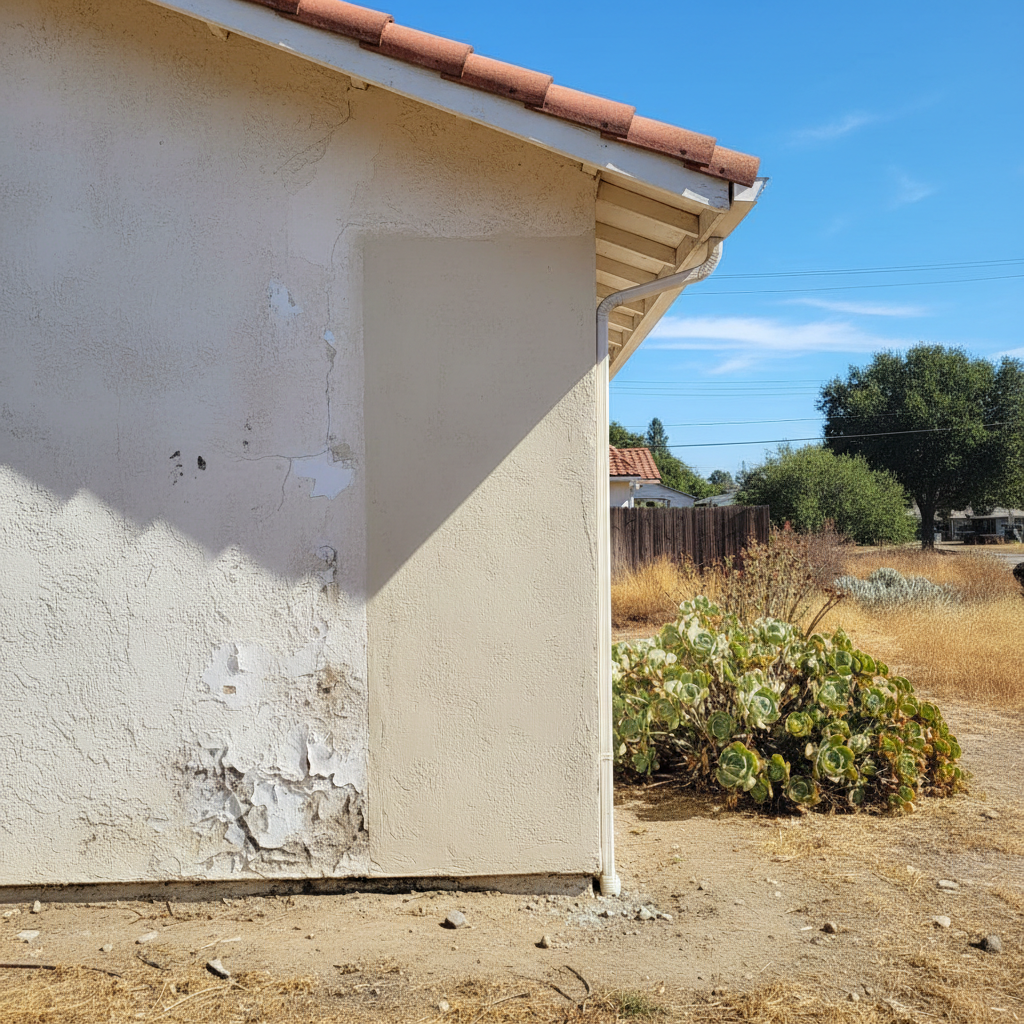
Alright, let's talk stucco repair. It's a common issue for homeowners here in Salinas, especially with our older homes and even some of the newer builds that didn't get the best initial application. You see a crack, a chip, or some water damage, and your first thought is, "How do I fix this without breaking the bank?"
Generally, you've got two main routes: patching or re-dashing. Both have their place, but knowing which one is right for your situation can save you a lot of headache and money down the line. I've seen plenty of folks try to cheap out on a patch when they really needed a re-dash, and it almost always ends up costing them more in the long run. Let's dig into what each option means for your house.
Patching Stucco: The Quick Fix
Patching is exactly what it sounds like: you're fixing a specific, localized area of damage. Think small cracks, a hole where something hit the wall, or a section of stucco that's delaminated from the substrate. It's like putting a bandage on a wound.
Cost
This is usually the cheapest option upfront. If the damage is minor and isolated, a skilled stucco repairman can mix up a batch of material, match the texture and color as best they can, and get it done relatively quickly. You're paying for materials for a small area and a few hours of labor, maybe a day.
Durability
A good patch, done right, can be quite durable for the specific area it covers. The problem isn't usually the durability of the patch itself, but whether the underlying issue that caused the damage has been addressed. If it's just a cosmetic crack from settlement, a patch will hold fine. If it's a symptom of widespread water intrusion or structural movement, that patch is just going to be a temporary fix.
Maintenance
Maintenance for a patch is pretty minimal, assuming it holds. You'll want to keep an eye on it, just like the rest of your stucco, for any new cracks forming around the edges. The biggest maintenance issue with patching is often its appearance, which we'll get to.
Appearance
Here's where patching usually falls short. Matching existing stucco, especially on older homes, is incredibly difficult. Stucco changes color over time due to sun exposure, dirt accumulation, and even the type of sand used in the original mix. Even if you use the exact same color formula, a fresh patch will almost always stand out. It'll be brighter, cleaner, and the texture might be slightly off. It's like trying to match a faded pair of jeans with a brand new patch – it just doesn't blend perfectly. For some folks, especially on a side wall or a less visible area, this isn't a big deal. For your front facade, it can be an eyesore.
Re-Dashing (or Re-Finishing) Stucco: The Full Refresh
Re-dashing, sometimes called re-finishing, is a more comprehensive approach. This is where we apply a new finish coat of stucco over your existing, prepared stucco surface. It's not a full tear-off and re-stucco job, but it's a lot more than just a patch. We're essentially giving your entire house a fresh, uniform skin.
Cost
This is going to be more expensive than a simple patch, no doubt about it. You're covering a much larger area, so material costs go up significantly, and it's a multi-day process involving more labor. However, compared to a full stucco replacement, it's still a very cost-effective way to revitalize your home's exterior.
Durability
When done correctly, a re-dash can add years, even decades, of life to your stucco. Before we re-dash, we'll address any significant underlying issues like major cracks, loose stucco, or water damage. The new finish coat provides a fresh, protective layer over the entire surface, improving its weather resistance and structural integrity. For homes in areas like the Salinas Valley, where we get a good mix of sun and occasional heavy rains, this added protection is a big plus.
Maintenance
Maintenance after a re-dash is similar to new stucco – essentially, keeping it clean and inspecting for any future damage. The beauty of it is that you're starting with a fresh, uniform surface, so you won't have to worry about individual patches failing or standing out. It's a clean slate.
Appearance
This is where re-dashing really shines. You get a completely uniform, fresh look for your entire home. You can choose a new color, a new texture, or match the original if you prefer. There are no mismatched patches, no faded spots. It looks like a brand new house. It significantly boosts curb appeal and can even increase your home's value. We've done plenty of re-dashing jobs for folks in neighborhoods from the Alisal to South Salinas, and the transformation is always dramatic.
My Recommendation for Salinas Homeowners
So, which one should you choose? Look, if you have a tiny, isolated ding on the back of your garage that you barely notice, a patch might be fine. It’s a pragmatic, budget-friendly choice for truly minor, out-of-sight damage.
But for anything more significant – widespread cracking, noticeable water stains, or if you're just tired of your stucco looking old and tired – I almost always recommend re-dashing. Especially if the damage is on a prominent part of your house. The uniform appearance, enhanced durability, and improved curb appeal you get from a re-dash are usually worth the extra investment.
Think of it this way: a patch is like putting a small dab of paint on a scratch on your car. It fixes the scratch, but you can still see the spot. Re-dashing is like getting a fresh coat of paint for the whole car. It looks brand new.
Before you make a decision, have a professional come out and take a look. We at Salinas Stucco & Plastering can assess the extent of your damage, identify any underlying issues, and give you an honest opinion on the best course of action for your specific home and budget. Don't just slap a patch on it and hope for the best; let's get it done right so you don't have to worry about it again for a long time.