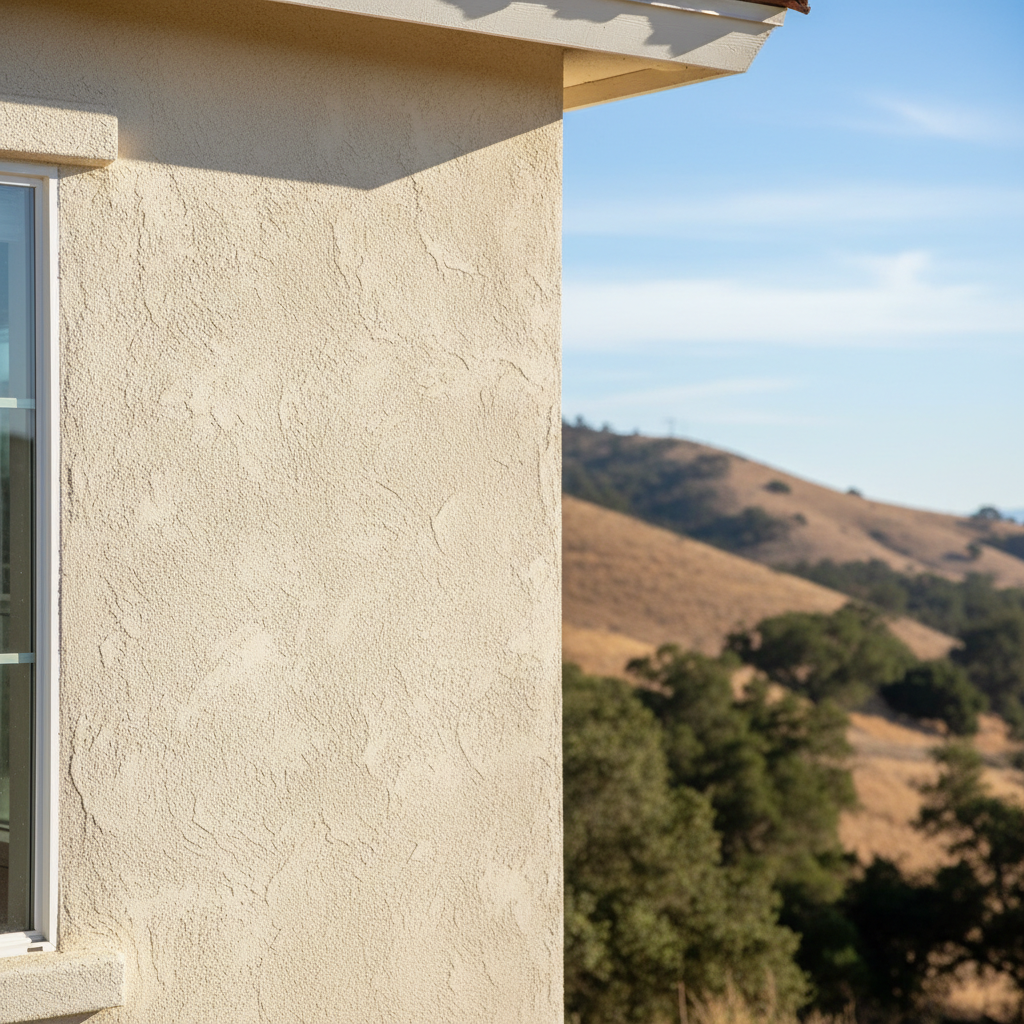
So, your stucco's looking rough, huh? Cracks, crumbling, maybe some water stains showing up? It happens, especially with our Salinas weather, the way the sun bakes it and then the fog rolls in. You're probably wondering if you can fix it yourself or if you need to call someone like us at Salinas Stucco & Plastering. Let's break down what you need to know about stucco replacement.
Before You Start: Assess the Damage
First things first, you gotta figure out how bad it really is. Are we talking about a few hairline cracks, or is a whole section of your wall looking like Swiss cheese? Small, superficial cracks? You might be able to patch those up yourself. There are plenty of good quality patching compounds out there. But if you've got big chunks missing, soft spots, or signs of water intrusion – like staining below windows or around doors – then you're probably looking at a bigger job than a simple patch. That's when you start thinking about replacement.
A big red flag is if you see mold or rot on the sheathing behind the stucco. If water's been getting in for a while, it's not just a stucco problem anymore; it's a structural one. Don't ignore that.
DIY vs. Pro: Where Do You Draw the Line?
Alright, let's be real. Replacing a whole wall of stucco isn't a weekend warrior project for most folks. It's labor-intensive, requires specific tools, and if you don't do it right, you're just going to have the same problems again, or worse, create new ones.
- Small Patches: If it's just a few square feet of damaged stucco, and the underlying structure is sound, you can probably tackle this. You'll need to carefully chip out the old stucco, clean the area, apply a new scratch coat, then a brown coat, and finally your finish coat. Matching the texture and color is the trickiest part here.
- Larger Sections or Full Wall Replacement: This is where you really need to think about calling a pro. Why? Because it's not just about slapping on new stucco. You need to understand the lath, the moisture barrier (or lack thereof, especially on older homes in places like the Alisal where some houses might have original stucco from decades ago), and how to properly flash around windows and doors. Getting the mix right for the stucco is crucial too – too wet, too dry, wrong sand-to-cement ratio, and it won't last. Plus, it's heavy work, and you'll need scaffolding for anything above ground level.
The Replacement Process (When a Pro Does It)
When you hire someone like us, here's the general rundown:
- Tear-Off: We remove the old, damaged stucco. This can be messy, so we'll protect your landscaping and property.
- Inspection & Prep: We inspect the sheathing, framing, and any existing moisture barriers. If there's rot or damage, we'll address that first. We'll install new building paper or a modern moisture barrier, and then the metal lath (the chicken wire-like mesh).
- Scratch Coat: This is the first layer of stucco applied to the lath. It's literally scratched to give the next layer something to grab onto.
- Brown Coat: This second layer builds up the thickness and helps create a smooth, even surface.
- Finish Coat: This is the top layer, where we apply your chosen texture and color. This is what you'll see, so getting it right is key. We can match existing textures or go for something completely new.
- Curing: Stucco needs to cure properly. This means keeping it moist for several days, especially in our dry Salinas summers. We'll mist it periodically to ensure it hardens correctly and doesn't crack.
After the Job: Keeping Your New Stucco Looking Good
Once your new stucco is in place and cured, a little maintenance goes a long way. Keep an eye out for new cracks, especially around windows and doors. Seal them quickly with a good quality elastomeric sealant. Make sure your gutters are clean and directing water away from your walls. Water is stucco's biggest enemy, so proper drainage around your foundation is also super important.
Don't let minor issues turn into major headaches. If you're unsure about the extent of your stucco damage or just know you don't want to tackle a big replacement job yourself, give us a call. We're happy to come out, take a look, and give you an honest assessment of what needs to be done.